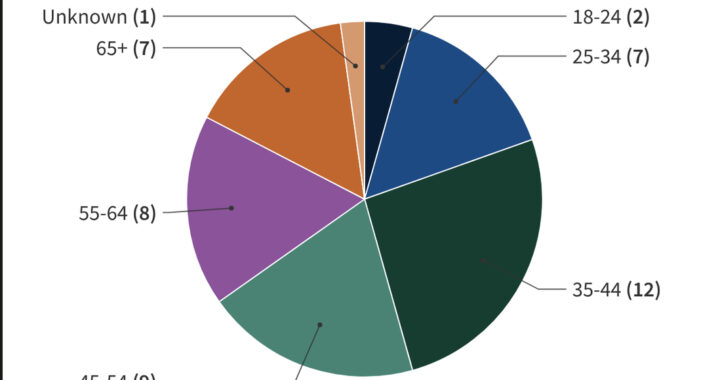
 Rising Deaths in ICE Detention: Record Toll Sparks Alarm Over Medical Care and Conditions
  Beyond the Incident: Improving Correctional Health Care Through In-Custody Death Reviews
  Turning DCRA Compliance into Real Prevention: Why Agencies Choose Vertex Medical Review for In-Custody Death Solutions
  Adherence to ICE’s Performance-Based National Detention Standards Is Essential to Preventing Morbidity and Mortality in Detention Facilities
  The Scale and Nature of Detention Space Problems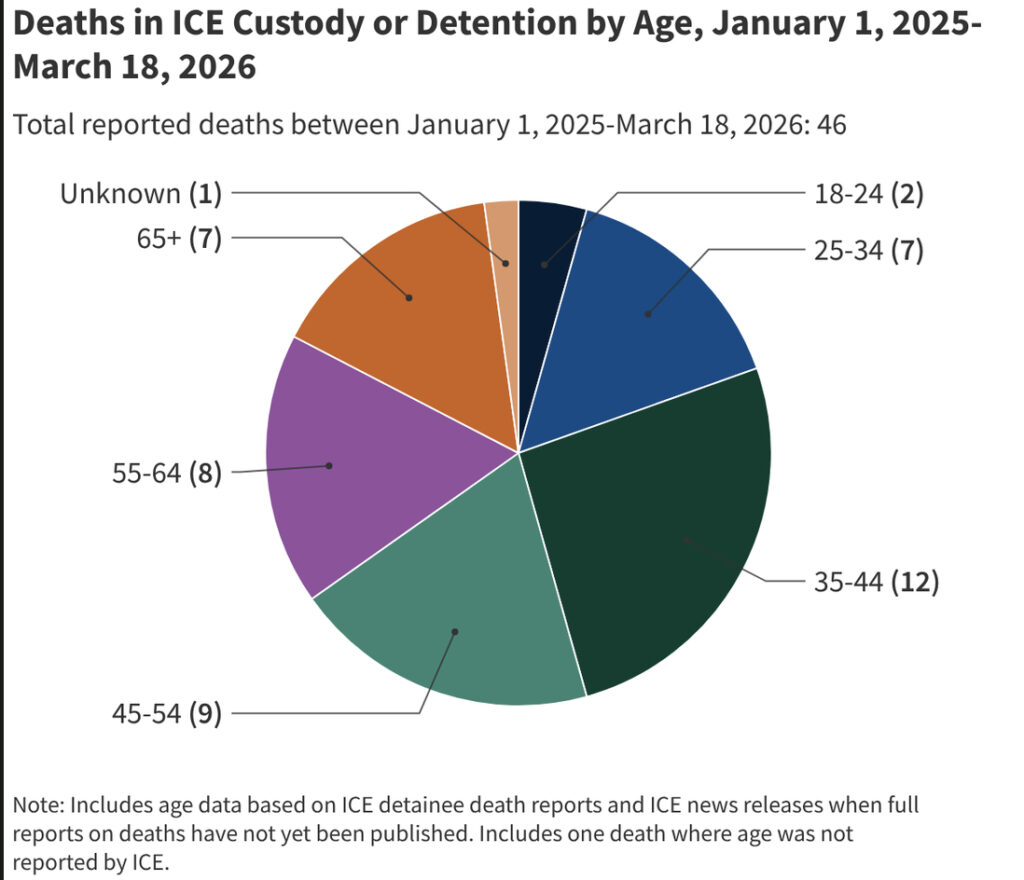









Specializing in independent audits, standards compliance, and evidence-based improvements for ICE detention facilities, jails, and prison facilities. We help operators, contractors, legal teams, and oversight bodies close the gap between written standards (including the 2011 PBNDS) and on-the-ground realities—protecting detainee health, reducing liability, and promoting safer, more humane operations.
The Standards Landscape
ICE detention facilities are governed by several sets of standards. The 2011 Performance-Based National Detention Standards (PBNDS 2011, revised 2016)—applied at dedicated facilities housing the majority of the detained population—include robust medical protocols. These cover staff duties to notify detainees of available health care services, guidance on informed consent and involuntary treatment, and a dedicated section (Standard 4.4) on medical care for women. This includes routine gynecological and obstetrical healthcare and consideration of requests for same-gender providers.

Yet independent investigations, congressional reports, and detainee accounts from 2025–2026 continue to document overcrowding, medical staffing shortages, delayed care, medication gaps, inadequate prenatal support, and elevated mortality rates. Effective review processes and practical solutions are essential to translate these standards into consistent practice.
Our Core Services
We provide specialized, independent review and consulting services focused exclusively on detention center operations and compliance:

- Comprehensive PBNDS / NDS Compliance Audits
Full facility assessments against 2011 PBNDS (including Standards 4.3 Medical Care and 4.4 Medical Care for Women), 2019/2025/2026 National Detention Standards, and relevant ICE directives. Includes on-site inspections, document review, staff interviews, and detainee input (where permitted). - Medical & Mental Health Care Reviews
Evaluation of intake screening, chronic care management, specialty referrals, medication continuity, women’s health services (gynecological, obstetrical, postpartum), informed consent processes, and 24-hour emergency response. Identification of staffing ratios, equipment, and protocol gaps linked to preventable harm. - Vulnerable Population Assessments
Targeted reviews for pregnant/postpartum/nursing individuals, people with serious medical or mental health conditions, disabilities, LGBTQ+ detainees, and those at risk of solitary confinement. Verification of compliance with Directive 11032.4 and related protections. - Risk & Liability Mapping
Analysis of conditions that drive complaints, litigation, deaths in custody, and contract penalties. Prioritized remediation roadmaps with cost-benefit estimates. - Staff Training & Protocol Development
Custom training on informed consent, trauma-informed care, women’s health protocols, suicide prevention, and language access. Development or updating of facility-specific policies aligned with current ICE standards. - Implementation Support & Follow-Up Monitoring
Hands-on assistance embedding recommended changes, plus periodic re-audits to measure sustained compliance and outcome improvements (e.g., reduced care delays, lower use of solitary). - Independent Reporting & Expert Testimony
Clear, evidence-based reports suitable for internal leadership, ICE contracting officers, legal counsel, or external oversight bodies.
Evidence-Based, Real-World Solutions to Persistent Problems
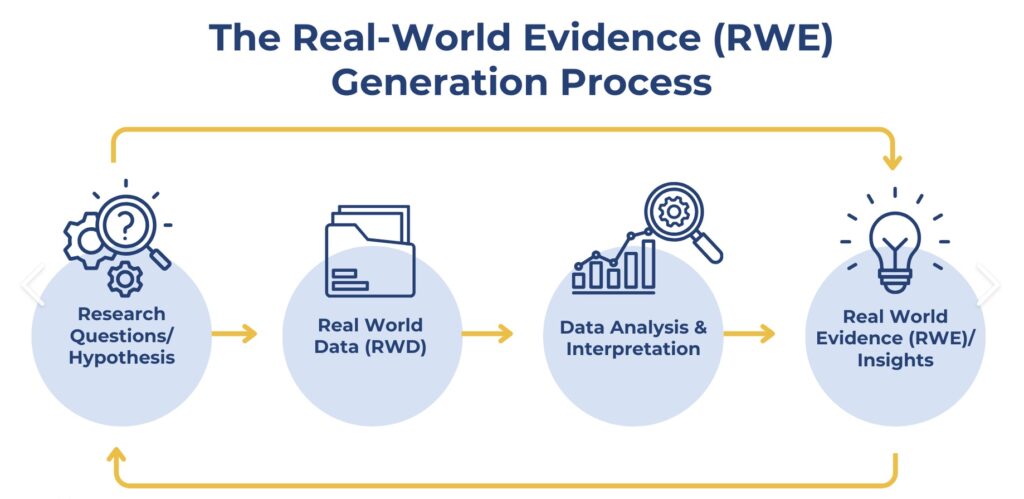
Drawing from peer-reviewed studies, Government Accountability Office and DHS Office of Inspector General findings, medical literature, and successful pilot programs, we recommend and help implement the following proven approaches:
- Expand and properly resource Alternatives to Detention (ATD)
Case management combined with electronic monitoring has demonstrated high court-appearance rates (often >90%) at a fraction of the cost of detention ($4–20 per day versus $150+). Prioritizing ATD for non-mandatory cases, including most pregnant and medically vulnerable individuals, directly reduces overcrowding and associated health risks. - Enforce and resource adequate medical staffing and timely care
Facilities meeting recommended clinician-to-detainee ratios and providing same-day or next-day access for urgent issues show fewer preventable deteriorations and deaths. Solutions include dedicated women’s health pathways, medication continuity protocols during transfers, and contracts that penalize repeated delays in specialty care. - Strict limits on solitary confinement with mandatory mental health evaluation
Research consistently links prolonged isolation to worsened mental health and higher suicide risk. Evidence-based practice requires prompt clinical review, time limits aligned with international standards (e.g., Mandela Rules), and alternatives such as step-down units or community-based support. - Independent, unannounced medical audits and transparent outcome data
Regular third-party clinical reviews (beyond standard ICE contractor inspections) combined with public reporting of key metrics—wait times, medication continuity rates, prenatal care completion, mortality reviews—drive accountability and continuous improvement. - Trauma-informed and culturally competent care models
Training staff in trauma-informed approaches and ensuring language access reduces re-traumatization and improves engagement with care. Facilities that adopt these models report fewer behavioral incidents and better health outcomes. - Presumptive release pathways for high-risk populations
Consistent application of the 2021 pregnant/postpartum directive, plus clear criteria for releasing individuals with serious medical conditions, lowers liability and aligns operations with existing policy.
These interventions are grounded in documented outcomes: facilities and systems that prioritize ATD, adequate staffing, and independent oversight experience fewer deaths, lower litigation costs, and improved compliance scores.

Why Partner With Us
Vertex Medical Review combines deep knowledge of ICE detention standards, jails and prison standards with clinical, operational, and legal expertise. Our reviews are independent, rigorous, and solution-oriented—designed not merely to identify deficiencies but to deliver measurable, sustainable improvements in health, safety, and operational performance.
Contact us today for a confidential consultation or to schedule a facility assessment. Together we can close the gap between standards on paper and conditions on the ground.